


The University of Oklahoma has digitized the title pages of 8,300 books in the History of Science Collections. Many of these books are rare and/or fragile. The purpose of the digitization project was to offer author/title access to all the items in the History of Science Collections, a small portion of which had not yet been cataloged. It also allows scholars the opportunity to study printer’s devices, author’s autographs and other provenance which occur on these title pages.


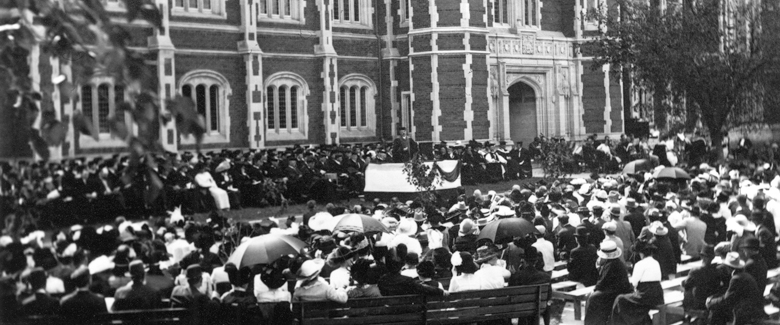
The University of Oklahoma, founded in 1890, has a rich history which has been recorded in University publications and official documents through the years. Some of these documents have been digitized and are now available online. Sooner Magazine (1928-present) and minutes for the Board of Regents of the University of Oklahoma (1893-present) are excellent resources for OU enthusiasts to learn more about the history of this great university. Also included on this site are items from the OU Archives, historical OU photographs, exhibits, and a bibliography for further reading on OU history.


Begun in 1927 by OU history professor Edward Everett Dale, the Western History Collections gathers and preserves rare research materials for scholars in anthropology, Native American studies, Oklahoma history, and the history of the American West. The most well-known of its resources is the Photographic Archives, which holds over 800,000 prints and negatives. The collection has an emphasis on the American Southwest and West for the period 1870-1940, and features images of American Indians, Oklahoma's land runs and lotteries, the settlement and development of Oklahoma towns, western outlaws and lawmen, the cattle trade, agriculture, the petroleum industry, and related socioeconomic themes of the western United States.


The Harry W. Bass Business History Collection contains books, manuscripts, microforms, videos, and journals on a number of topics including the histories of business leaders and firms, and the economic, social, and political forces that influence the role of business in society.